Polski
  English
  Português
  Español
  Français
  Deutsch
  Türkçe
  Magyar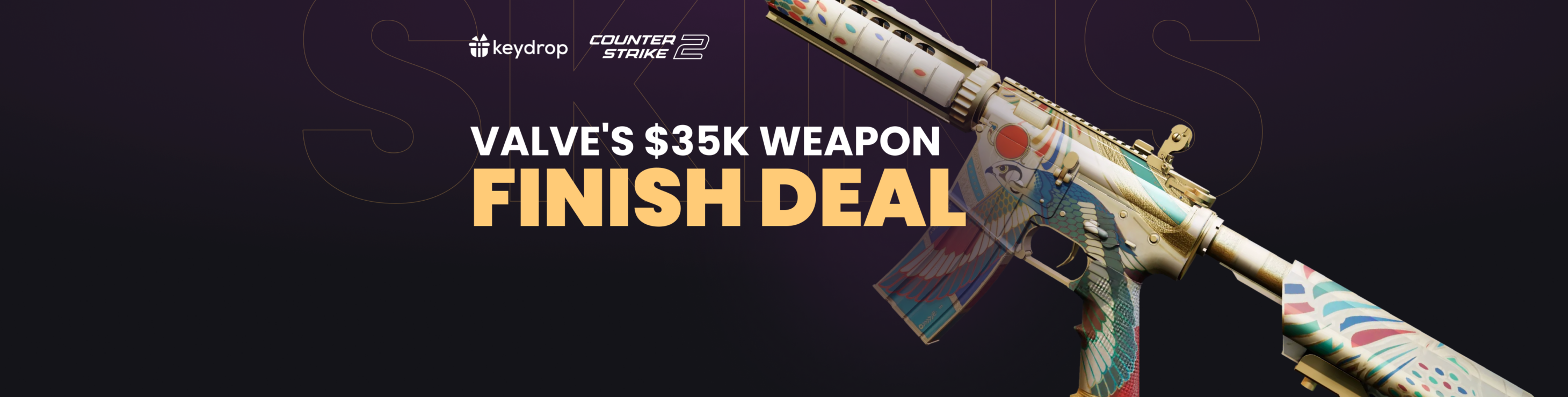

The CS2 community is buzzing with controversy after Valve announced a new payment structure for workshop creators submitting items to the game. According to the latest market update from early December 2025, the company is offering $35,000 for weapon finishes and $6,000 for charms or stickers—but the numbers tell a troubling story that’s left many creators feeling undervalued.

This shift represents a dramatic departure from historical precedent. Just four years ago in 2021, creators behind the Dreams and Nightmare collections earned $100,000 each for their weapon finishes. The new offer amounts to roughly one-third of what top creators received in the recent past, raising serious questions about how Valve values creative contributions to CS2’s ever-expanding cosmetic ecosystem.
What’s Actually Happening With This New Payment Model?
The core issue centers on how Valve is structuring this compensation system. The company isn’t simply offering creators a choice between payment methods—it’s essentially forcing compliance. If workshop creators don’t accept the new $35,000 flat fee for weapon finishes, their items cannot be featured in the Armory Pass collections, which have become the primary vehicle for launching new cosmetics in CS2.
This creates a catch-22 situation. Creators can either accept significantly reduced compensation or watch their work excluded from the game’s most visible marketplace. Community members have analyzed the old revenue-sharing model and calculated that the previous 7% cut of cosmetic sales would have generated multiples of the current $35,000 offer for popular weapon finishes. The math simply doesn’t work in creators’ favor anymore.
The Market Impact and Creator Response
The announcement has rippled through the CS2 ecosystem in ways that extend beyond just compensation discussions. Workshop creators are essentially being asked to accept a fixed payment regardless of how successful their items become on the Steam Community Market. A weapon finish that generates millions in cosmetic sales would earn the same $35,000 as one that sells modestly.

The timing of this announcement is particularly notable, arriving during a period when the Armory Pass system has become integral to CS2’s content calendar. Previous collections like Dreams and Nightmare set expectations for creator compensation, and those creators built businesses around the revenue potential of their designs. Valve’s unilateral shift to a fixed-fee model without grandfathering in established creators has understandably sparked frustration across workshop communities on Reddit and Discord.
Historical Context: How We Got Here
Understanding the shift requires looking back at how Valve’s creator compensation has evolved. The $100,000 payments to Dreams and Nightmare creators weren’t arbitrary—they reflected the genuine revenue these cosmetics generated. When a weapon finish becomes popular enough to be heavily unboxed and traded, the secondary market value climbs accordingly. Creators were compensated proportionally to their work’s success.
The new system abandons this performance-based model entirely. Whether a weapon finish generates $1 million or $10 million in secondary market value, creators receive the same flat payment. This represents a fundamental restructuring of how Valve values workshop contributions and has left many creators questioning whether submitting to future collections is worth their time.
What This Means for Future CS2 Content
The implications extend beyond individual creator compensation. If talented artists become less incentivized to submit their best work to Valve’s official collections, the quality and variety of cosmetics available in CS2 could suffer. The workshop system has always relied on creative competition and the promise of meaningful compensation to attract top-tier talent.

Several major creators have publicly discussed whether they’ll continue participating in Armory Pass collections under these terms. Some are exploring alternative revenue streams, while others are reconsidering their involvement altogether. The community has also noted that Valve’s announcement conveniently avoids addressing how this affects creators who’ve already built their brands around previous compensation expectations.
The situation raises broader questions about creator economics in competitive gaming. When platforms unilaterally reduce compensation without consultation, it sets a precedent that could influence how other games treat their creative communities. Workshop creators aren’t just cosmetic designers—they’re artists whose work directly impacts how millions of players experience CS2.
The Bottom Line on Valve’s New Payment Structure
Valve’s $35,000 offer for weapon finishes represents a significant reduction from historical compensation standards, and the mandatory nature of the system removes creator autonomy from the equation. While the company frames this as an alternative payment method, the reality is that creators must accept reduced compensation or face exclusion from the primary marketplace for new cosmetics.
This decision reflects broader industry trends where platforms increasingly consolidate power over creator compensation. The fixed-fee model eliminates performance-based incentives and treats all weapon finishes as equivalent regardless of their actual market success. For creators who’ve invested years building their portfolios and audience, the shift feels like a betrayal of implicit agreements about how compensation would scale with success.
The CS2 community will be watching closely to see how established creators respond. They will also observe whether Valve adjusts the payment structure based on feedback. For now, the controversy serves as a reminder. Even in thriving gaming ecosystems, the relationship between platforms and creators remains fundamentally unequal. When you’re ready to experience the cosmetics these creators have designed, you can explore the full range of available finishes. Discover which drops best resonate with your playstyle.
FAQ
How much were workshop creators paid before this new system?
In 2021, creators behind popular collections like Dreams and Nightmare received $100,000 each for their weapon finishes. This compensation was based on the revenue their cosmetics generated through the Armory Pass and secondary market sales. The new $35,000 flat fee represents roughly one-third of those historical payments.
Can creators refuse the new payment structure?
Technically yes, but refusing the new system means their items cannot be featured in Armory Pass collections, which are now the primary vehicle for launching new cosmetics in CS2. This effectively forces creators to accept the reduced compensation if they want their work in the game.
Why did Valve reduce creator compensation?
Valve hasn’t publicly explained the reasoning behind the reduction. Community speculation suggests the company may be consolidating its cosmetic production strategy or reducing costs associated with the Armory Pass system. The announcement provided no context for the significant compensation decrease.
What are creators doing in response?
Some creators are reconsidering their involvement with future Armory Pass collections, while others are exploring alternative revenue streams outside of Valve’s official systems. The community response has been largely negative, with widespread discussion about the fairness of the new terms on Reddit and Discord.
Will this affect the quality of CS2 cosmetics?
Potentially. If talented creators become less incentivized to submit their best work due to reduced compensation, the overall quality and variety of cosmetics could decline. The workshop system has always relied on competitive incentives to attract top-tier design talent.